

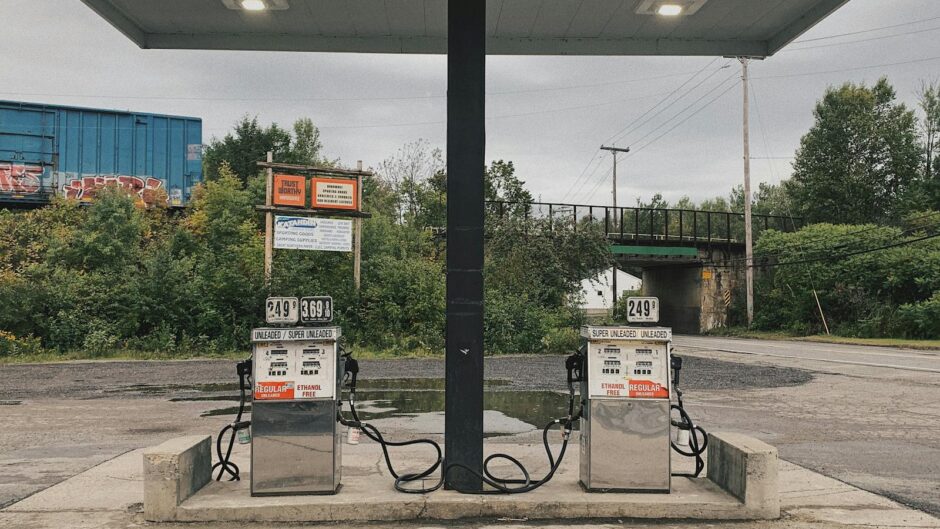
There’s a war on. Gas prices are rising. The means the war is bad, you see.
The fact that the common sense wisdom of how wise or useful or necessary wars are is contingent on the price of crude oil is embarrassing and insulting. Instead of judging on if the costs of the war itself, the lives lost, the territory damaged, the global leadership lost, we judge it based on one metric: the world’s everlasting thirst for one natural resource. Wars should have aims. I almost never think a war’s aims (even if they are in fact achievable) are worth the cost of the war, but that’s somehow a different question instead of the main question: will my gas prices go up?
This country, and let’s be honest, this world is still too oil hungry. It’s as embarrassing as unnecessary. We can’t send young women and men to die, destroy thousands of buildings, destroy international relationships, because we cannot—should not—pay over $3.00 per .99 gallon of regular gasoline.
It’s a lingering disease of still somehow being so dependent on petroleum for every modern need we encounter. Our built environment is too car-dependent, so we need gasoline to fuel our single-occupancy automobiles to travel to work and back (with the weekly grocery store trip). Our computers and phones and our refrigerators and our air conditioning require lots of electricity, so we need to burn lots of gas to produce that electricity. Plastics Make It Possible, and wouldn’t you know, most plastics are made out of petroleum.
Many of these problems are mostly solved, but we continually fail to and refuse to implement the solutions. For decades, we have marched towards replacing our electricity system with fuel sources that are not petroleum: hydro, nuclear, solar, wind, geothermal. The automobile companies, following incentives from both the market and policies set by earlier, more functional governments, began building dependable and functional electric vehicles. Jurisdictions began expanding public transportation. And, thanks to the darkest era of the 21st century, dependance on automobiles in general dropped because technology made it possible for (certain) workers to perform their job from wherever they want.
But thanks to the opportunity cost of electing the worst people (again), we have abandoned all that. The administration is trying to shut down wind and solar and forcing electric utilities to burn fossil fuels. The administration shut down incentives for electric vehicles, so car companies are stopping producing them. Removing plastic from products is probably DEI or some shit. We are once again marching back towards deeper dependance on petroleum for everything.
So, instead of considering whether a war is necessary, achievable in its aims, or even desirable, we judge it on one stupid metric: whether it will make petroleum, and therefore everything, more expensive.
Anyways I drew this in 2008: